
Who was Uncle Nearest? The Master Distiller Behind Tennessee Whiskey
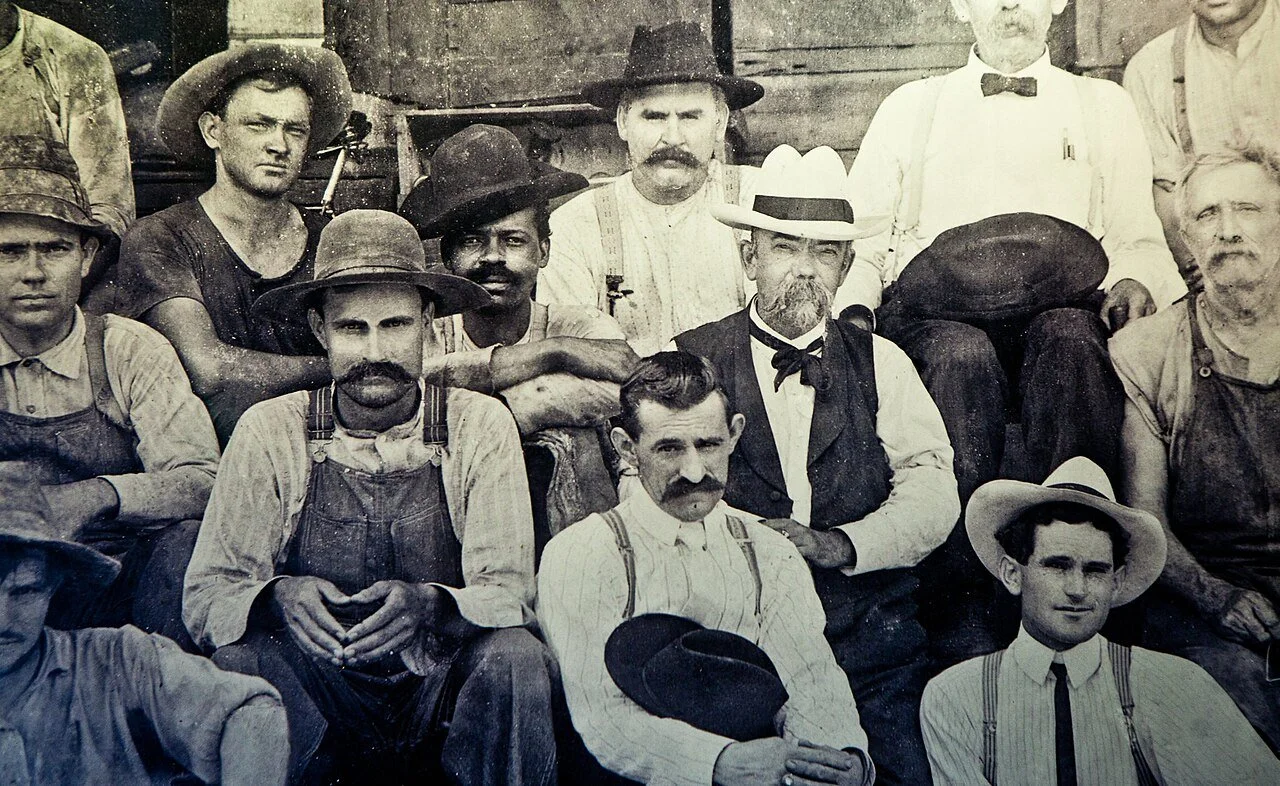
Jack Daniel, center right, seated next to George Green, center left. By Unknown author - Jack Daniel's Distillery. Public Domain.
Introduction: Why Nearest Green’s Story Matters Today
“Tennessee whiskey” is a phrase known around the world, in large part due to the massive success of the Jack Daniel’s brand. However, the story of one of the most important figures in Tennessee whiskey history, an African American man named Nathan “Nearest” Green, went largely untold for over a century.
Nearest Green was an early pioneer in Tennessee whiskey production, and his distilling techniques were pivotal in the success of the Jack Daniel Distillery. Today, the Nearest Green Distillery, and their lineup of Uncle Nearest Premium Whiskey, seeks to honor the art and legacy of the man himself, and shed light on this pivotal era of American history.
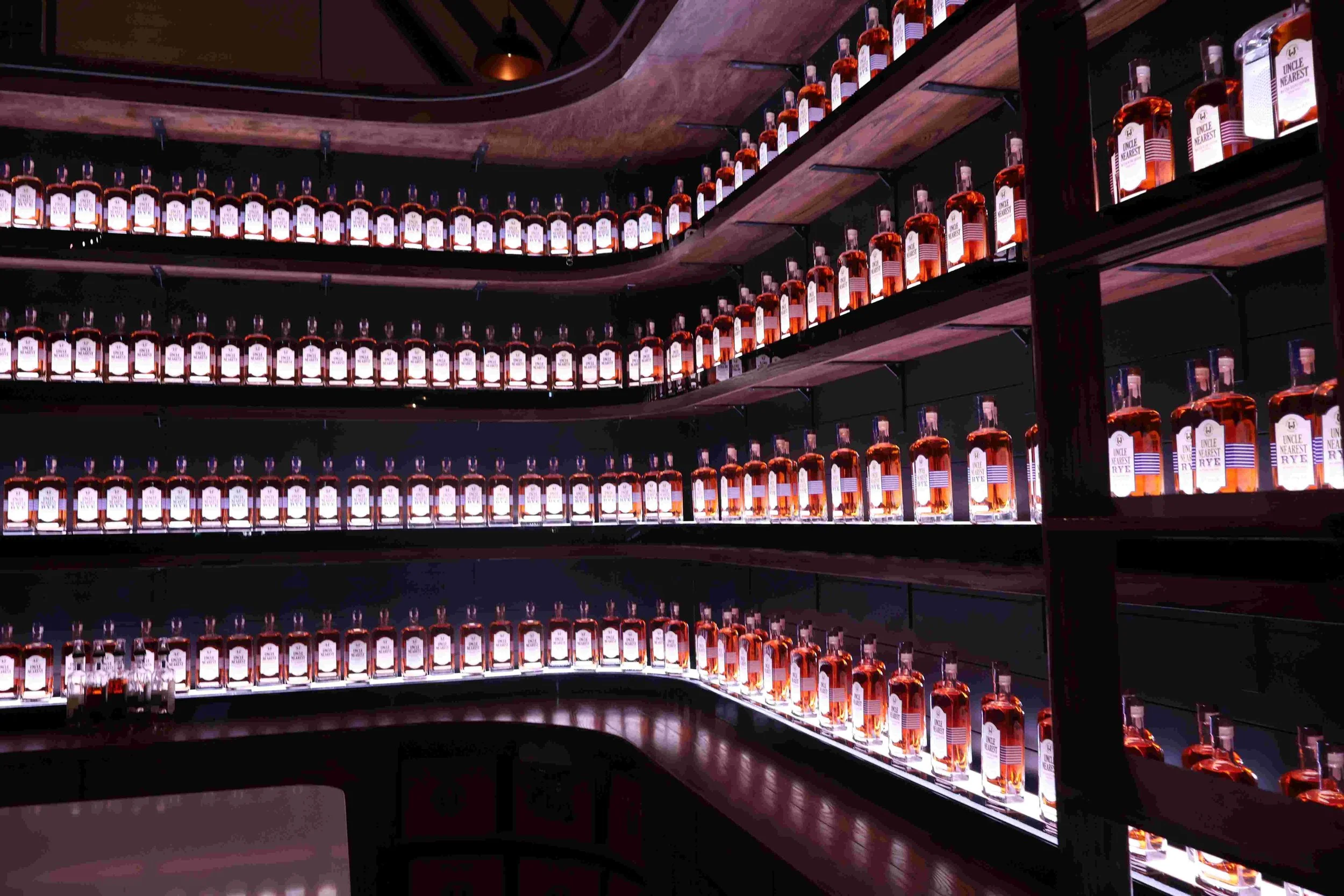
Bottles of Uncle Nearest Whiskey at the Nearest Green Distillery
Who Was Nearest Green?
Nathan “Nearest” Green was born around 1820 in Maryland. While it is unknown whether he was born into slavery or was enslaved later in life, we do know that he was eventually owned by a firm called Landis & Green, a mercantile business located in Lynchburg, TN.
Leasing slaves was a common practice at that time. Oftentimes, property owners would lease enslaved laborers with specialized skillsets for specific projects or tasks. At some point in the mid-1800’s, Landis & Green leased Nathan Green to a local farmer and whiskey distiller named Reverend Dan Call. Evidence indicates that Rev. Call himself was a slave owner, but chose to lease Nathan Green. Because Green would go on to become the head distiller at the Call farm, it can be speculated that Green was already a skilled distiller and was likely leased by Call for this specific purpose.
Nearest Green at the Call Farm
Unfortunately, not much is known about Green’s life on the Call farm. Oftentimes, skilled laborers like Green were treated better than other enslaved workers. As stated by the National Humanities Center, “the possession of skills gave slaves leverage because planters desired to keep them at home and at work rather than, by bad treatment, encouraging them to flee.” In other words, "a slave's skill level and value to the master often determined how he/she was treated.” However, it is unknown if this was the case for Nathan Green.
It was at the Call farm that Nearest Green’s reputation as a skilled distiller grew. One of the techniques he perfected was the process of filtering the newly distilled whiskey through sugar maple charcoal prior to barreling, which is today known as the Lincoln County Process. This filtration process gives the whiskey a unique smoothness and flavor, and is the primary difference between Tennessee whiskey and bourbon.
Want to learn more about Tennessee whiskey? Check out this article!
Meeting Jack Daniel
At some point in the mid-1850’s, a young Jack Daniel came to live and work as a farm hand at the Call farm. Jack was the tenth child of the Daniel family, and his mother had died when he was only a few months old. During his time at the Call farm, Jack Daniel was introduced to Nearest Green by Dan Call, who allegedly stated, “This is Uncle Nearest. He’s the best whiskey maker I know of.”
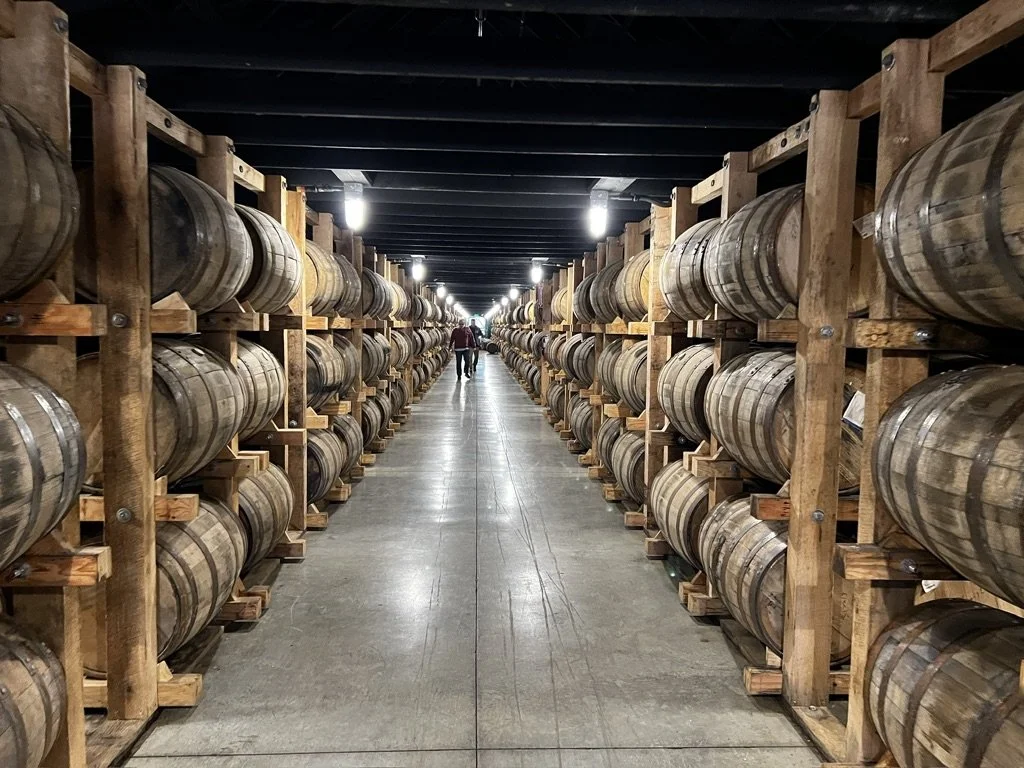
Barrel House at the Nearest Green Distillery
The Birth of a Legendary Whiskey Partnership
It was during Jack Daniel’s years on the Call farm that he learned the art of whiskey making from Nathan “Nearest” Green. In an era so defined by the institution of slavery, the relationship between Jack Daniel and Nathan Green was unique. There is no evidence that Jack Daniel himself ever owned slaves, and the bond between the two men seems to have been one of mutual respect.
Eventually, Jack Daniel took over the distillery owned by Rev. Dan Call, and he hired Nathan Green, now a free man, to lead his distilling operation, making him the first African American Master Distiller in the United States. Green’s whiskey making expertise, and the charcoal mellowing process he perfected, were critical in the success of the Jack Daniel’s brand. And his involvement doesn’t end there; Green’s sons, George and Eli, and later his grandsons, Ott, Jesse, and Charlie, all worked at the Jack Daniel Distillery as well. Ultimately, seven generations of the Green family have worked at the distillery.
Uncle Nearest’s Recognition Long Overdue
As the Jack Daniel brand grew in popularity through the 20th century, surviving prohibition and ultimately being purchased by Brown-Forman and becoming one of the largest whiskey brands in the world, “Uncle” Nearest Green’s involvement was largely forgotten. However, citizens of Lynchburg, including direct descendants of the Green family, kept his memory alive.
In 2016, businesswoman and author Fawn Weaver embarked on a project to interview Green’s descendants and unearth the full story of Uncle Nearest. The next year she launched a new whiskey brand in his honor, Uncle Nearest Premium Whiskey, and in the following years opened the Nearest Green Distillery in Shelbyville, TN.
Why Nearest Green’s Story Matters Beyond Whiskey

Portrait of George Green at the Nearest Green Distillery.
The legacy of Nearest Green extends well beyond the distillery. His work reflects how American industries were built — through skilled hands, technical knowledge, and innovation that was not always properly documented or credited. Recognizing his role helps tell a more accurate story of how production traditions in the United States actually developed.
His story also highlights the importance of acknowledging African American craftsmanship. Skilled Black artisans shaped entire industries, yet many of their contributions went unrecognized for generations. Restoring those stories is not just about recognition — it’s about historical accuracy.
Visiting the Legacy in Person
A visit to the Uncle Nearest Distillery brings Nearest Green’s story to life in a way reading alone cannot. Guests can explore historical exhibits, enjoy guided tastings, hear the Green family’s legacy firsthand, and experience cultural and educational programming that connects the craft of whiskey to American history.
Being there adds perspective — the place, the people, and the process all come together in a way that’s hard to replicate anywhere else.
With Tennessee Whiskey Tours, getting there is easy. Our guided bus tours handle the transportation and planning, so you can focus on experiencing the history in person.
Frequently Asked Questions About Nearest Green
-
Nearest Green was a highly skilled 19th-century distiller who played a foundational role in shaping early Tennessee whiskey production. He is widely recognized for his technical expertise and for helping establish methods that remain central to the industry today.
-
Historical accounts show that Jack Daniel learned key distilling techniques in the environment where Nearest Green worked and trained others. Green’s mastery of charcoal mellowing helped define the production style now associated with Tennessee whiskey.
-
Guests can explore his life and influence at the Uncle Nearest Distillery, which features historical exhibits, guided tastings, and educational programming focused on his craft and impact.
-
Modern recognition of his legacy grew through extensive historical research led by Fawn Weaver, who documented Green’s life, connected with his descendants, and helped bring wider attention to his contributions.
-
Yes. Many visitors choose to travel with Tennessee Whiskey Tours, which provides transportation and guided experiences that make it easy to visit the distillery and learn the history on site.
Conclusion: A Legacy That Continues to Shape Tennessee Whiskey
The influence of Nearest Green reaches far beyond technique alone. His skill helped shape the craft of Tennessee whiskey, his story reshaped how that history is understood, and his recognition reflects a broader effort to honor the people whose work built American industry.
Remembering his legacy carries special meaning during Black History Month, but its importance extends year-round. Through preservation, education, and continued storytelling, his contributions remain part of a living history — one that continues to inform how Tennessee whiskey is made, experienced, and understood today.
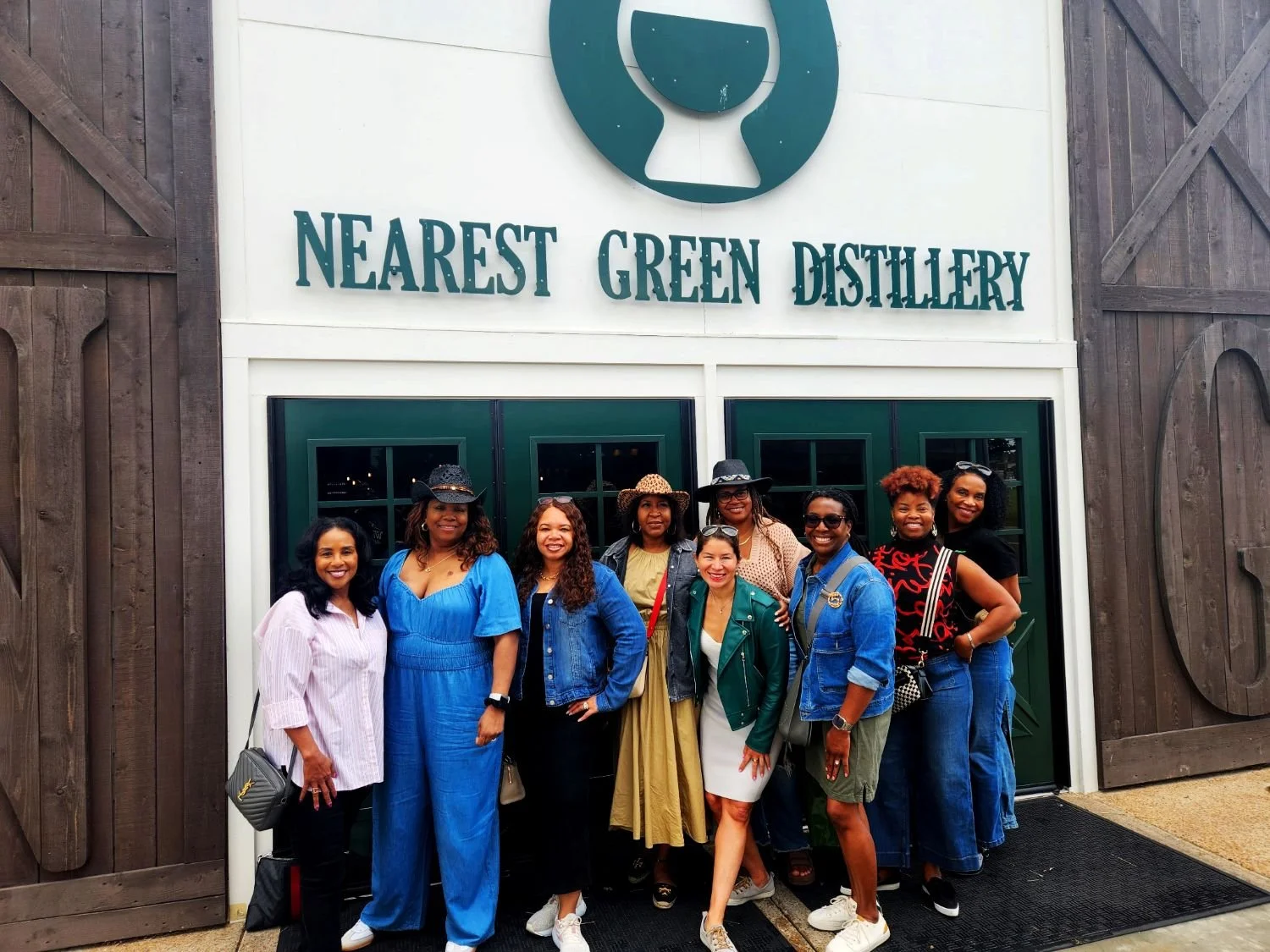
Tennessee Whiskey Tours group at the Nearest Green Distillery
Experience the Story Yourself
Reading about Nearest Green is powerful. Standing where his legacy is preserved is something else entirely. A visit to Nearest Green Distillery brings history to life through immersive exhibits, guided tastings, and the stories of the families who continue his work today.
With Tennessee Whiskey Tours, getting there is simple. Our Uncle Nearest Bus Tours include comfortable transportation, expert planning, and knowledgeable guides who help connect the people, places, and history behind what you’re experiencing.
If you want more than just a visit — if you want context, storytelling, and a seamless day from start to finish — this is the way to do it. Book your tour and experience the legacy for yourself.